Lemurs and rainforest
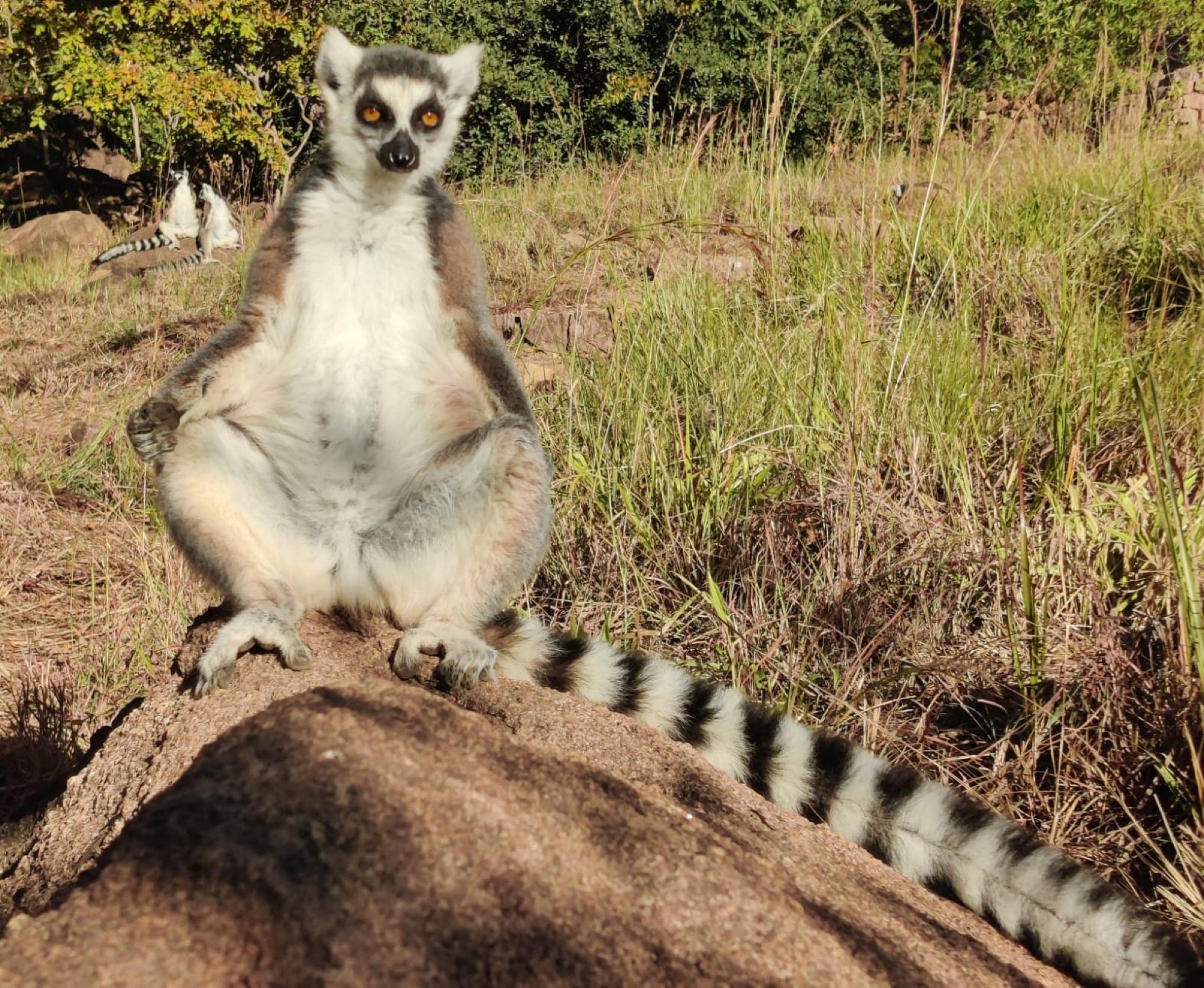
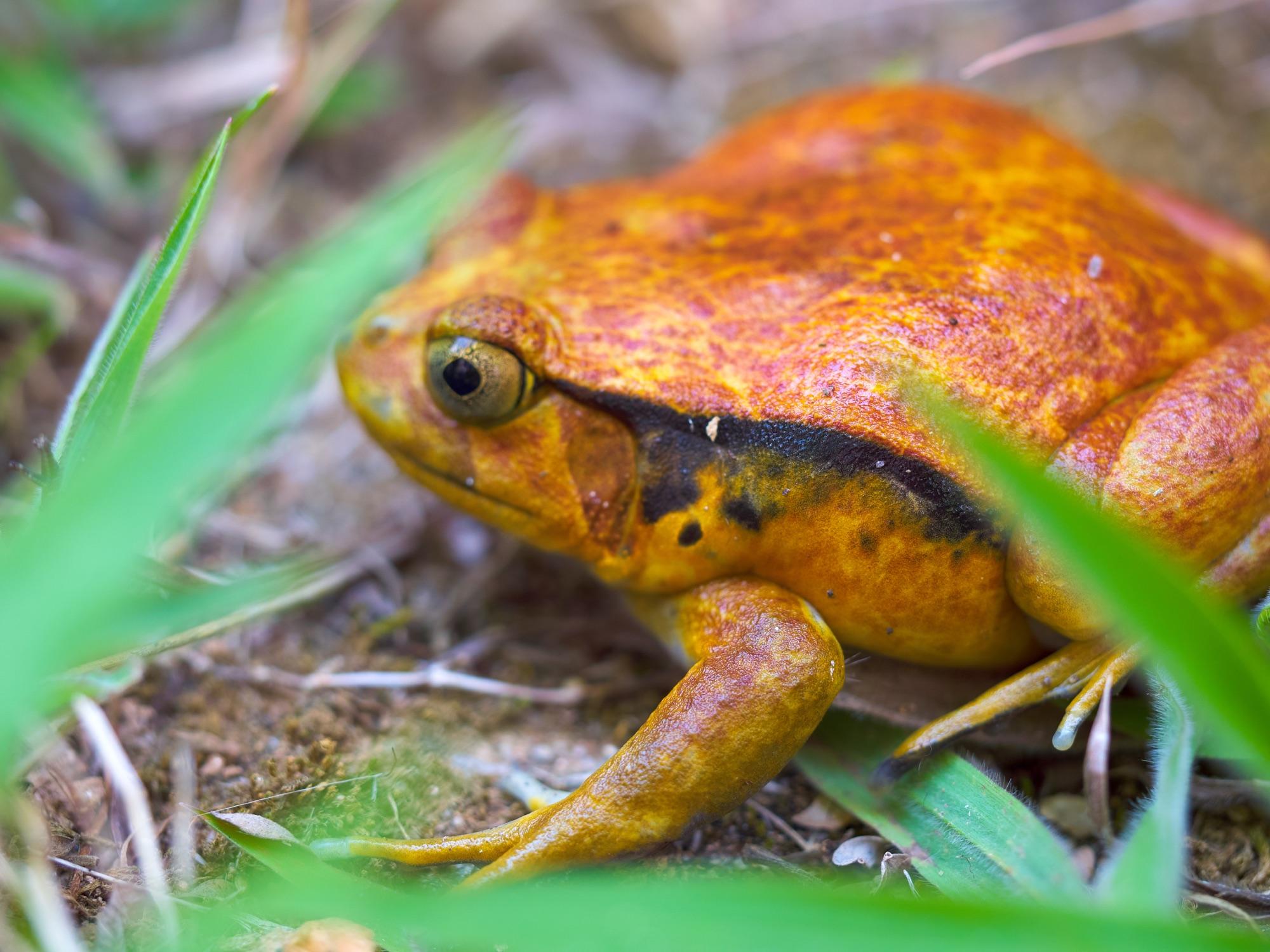
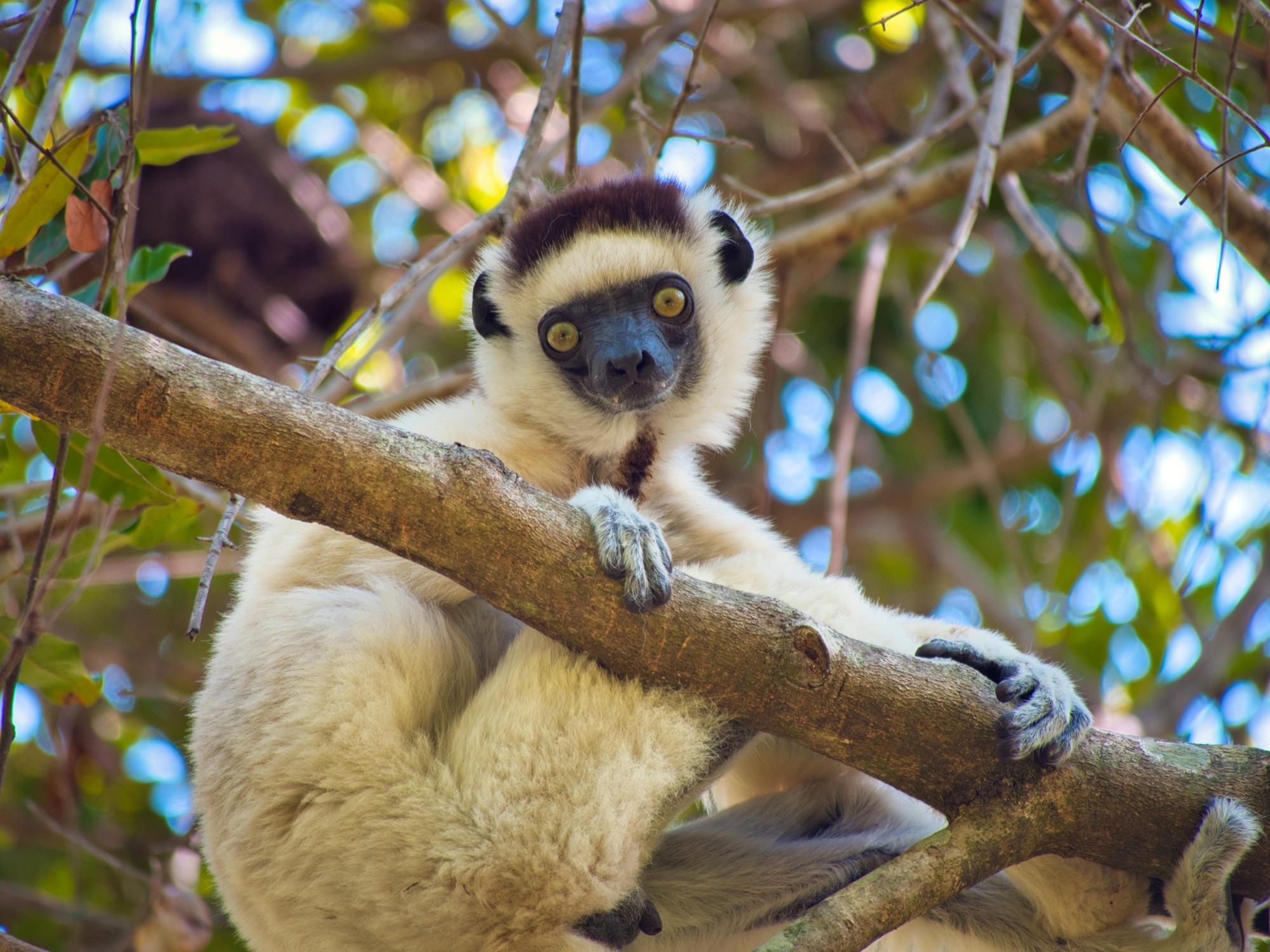
Lemurs live only in Madagascar, and seeing them is the top reason people come. The easiest place is Andasibe-Mantadia, about three to four hours east of the capital. Here the indri, the largest living lemur, sings across the forest in the morning. Night walks at the forest edge turn up mouse lemurs, frogs and sleeping chameleons.
Further south, Ranomafana is a misty mountain rainforest with about a dozen lemur species. It is the home of the golden bamboo lemur, discovered there in 1986. For real wilderness, Masoala in the north-east has rainforest that runs down to the sea.
Our lemur guide shows which species live where. For trips, see the Andasibe-Mantadia and Ranomafana destination pages.
The Avenue of the Baobabs and Kirindy
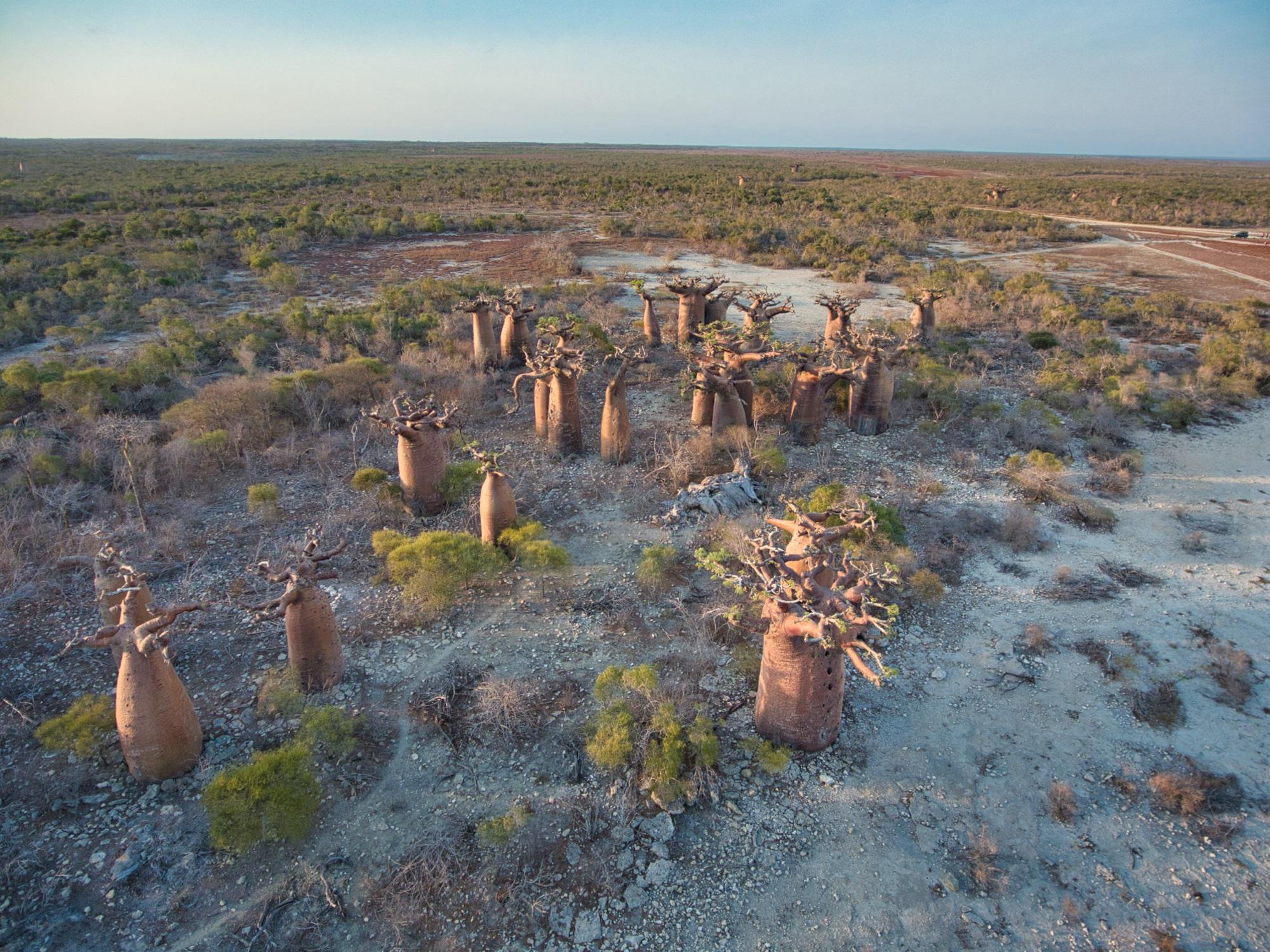
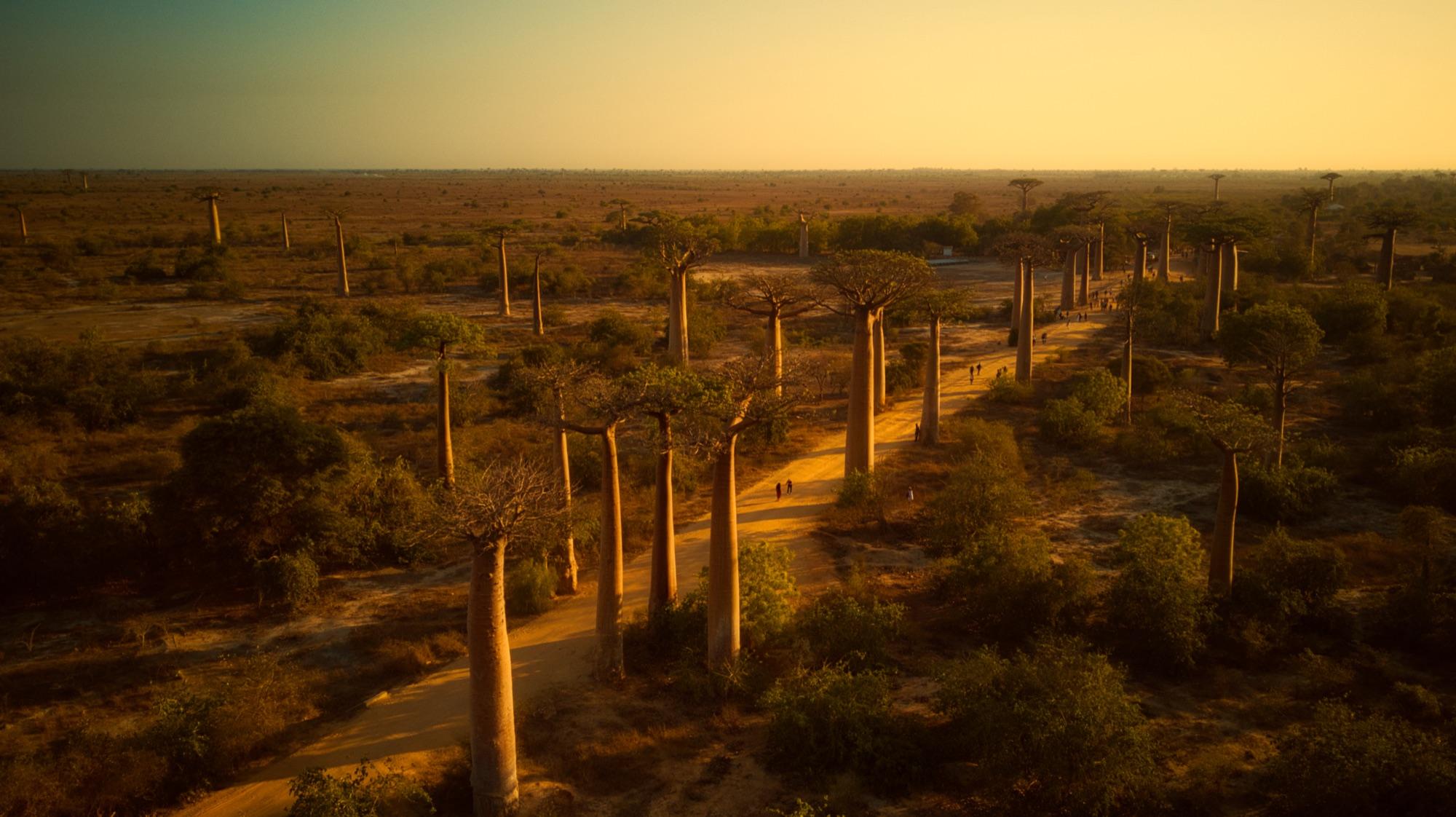
The Avenue of the Baobabs near Morondava is a dirt road lined with about two dozen giant Grandidier's baobabs. Go at sunset, when the trunks glow red and the light turns soft. Sunrise is quieter and just as good.
Kirindy dry forest lies north of Morondava. It is one of the best places to look for the fossa, Madagascar's largest predator, and the giant jumping rat. Most people pair Morondava with the Tsingy. Read things to do in Morondava and see the Morondava and Baobabs page.
The Tsingy de Bemaraha
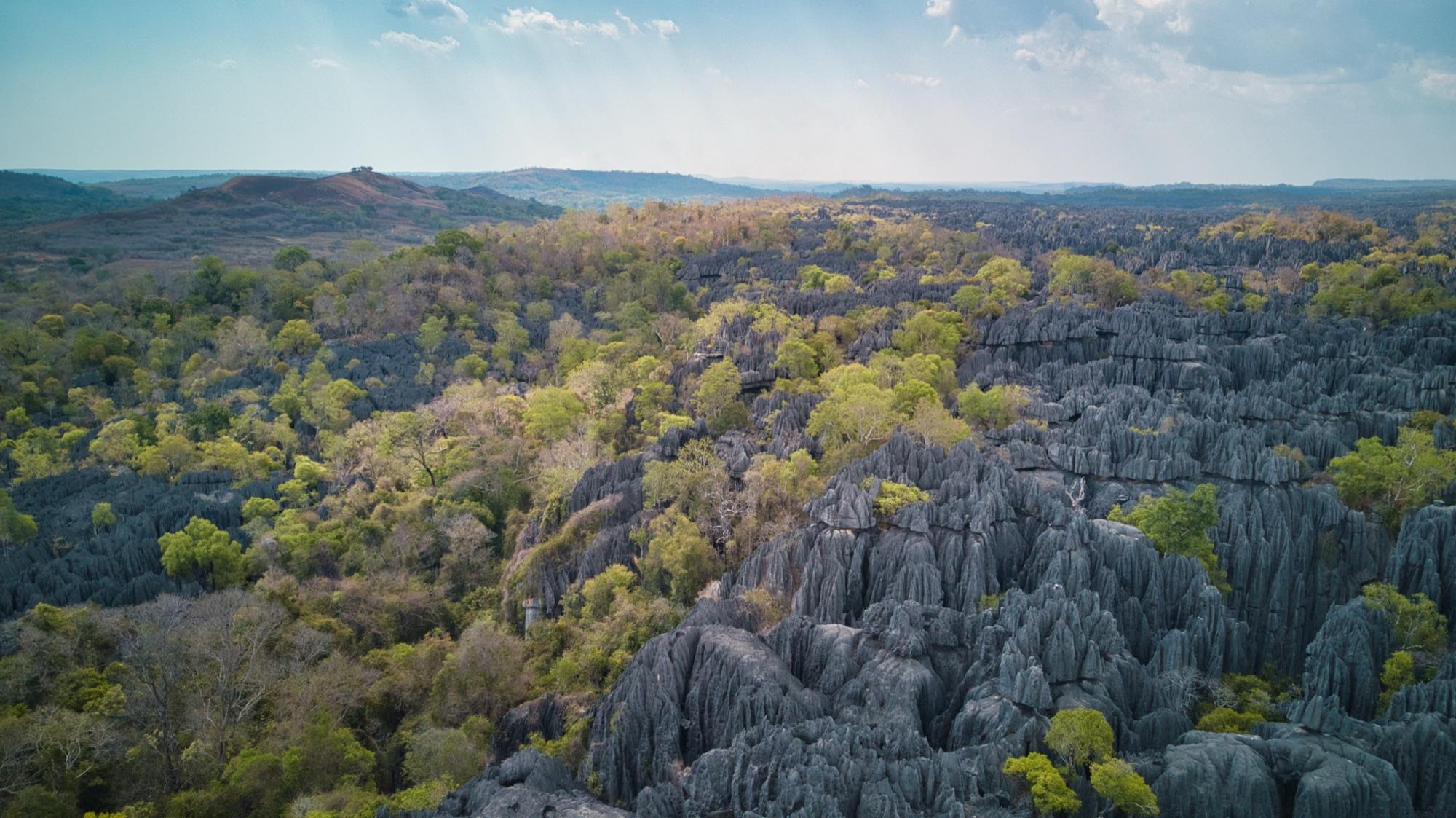
The Tsingy de Bemaraha is a forest of sharp limestone needles in the west, listed by UNESCO since 1990. You follow trails, ladders, cables and hanging bridges through the Grand and Petit Tsingy. It suits anyone with a fair head for heights. Decken's sifakas live in the forest around the rocks.
The park is reached on long dirt roads with river ferries. It is usually open from about mid-April or May until November and closed in the rainy season. See things to do at the Tsingy and the Tsingy de Bemaraha page.
The canyons and pools of Isalo
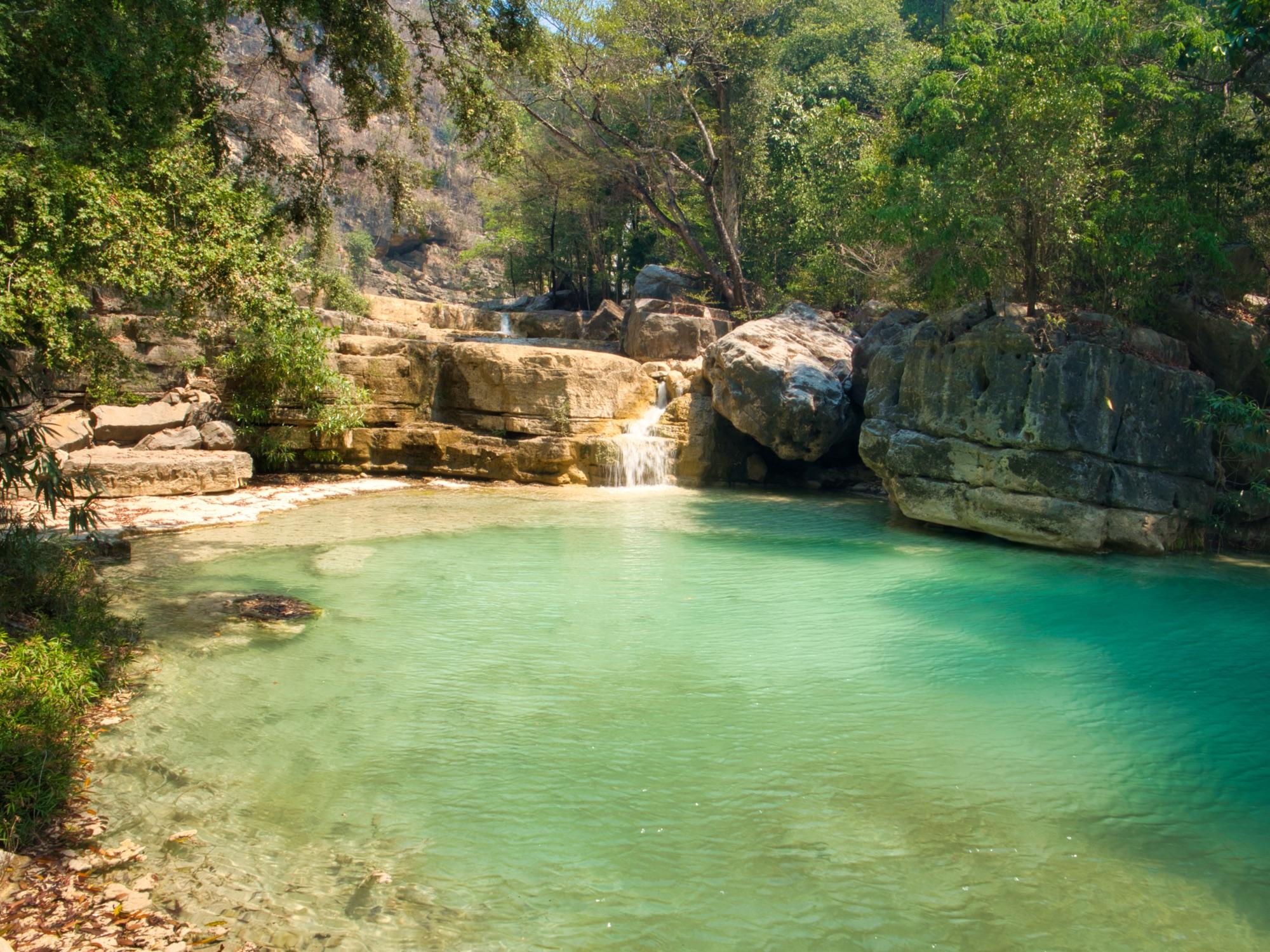
Isalo National Park in the south is the best place in Madagascar to hike. Sandstone ridges, deep canyons and natural pools make a landscape that looks like the American West, with lemurs. The walk to the Piscine Naturelle is the classic. The shady Canyon des Makis is good for ring-tailed lemurs.
Plan two or three nights to walk a few trails and catch sunset at La Fenêtre, a natural rock window. Details are in things to do in Isalo and on the Isalo page.
The RN7 road trip
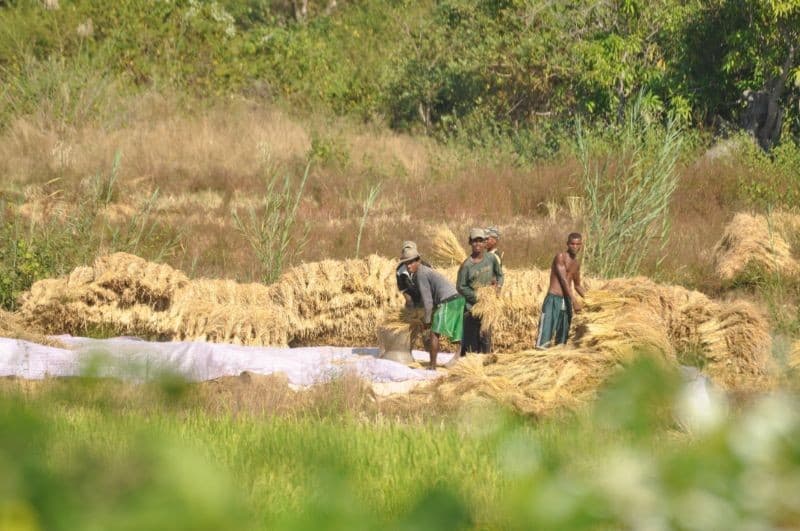
The RN7 is Madagascar's classic road trip. It runs about 950 km from Antananarivo south to Toliara on the coast. On the way you pass rice terraces, craft towns, the rainforest of Ranomafana, the open plains of the south and Isalo. Many trips end on the beach at Ifaty.
Most people take 9 to 16 days, with a new stop every night or two. Antsirabe, Ambositra and Fianarantsoa break up the highland part. Read our RN7 guide and see the RN7 page.
Beaches and islands
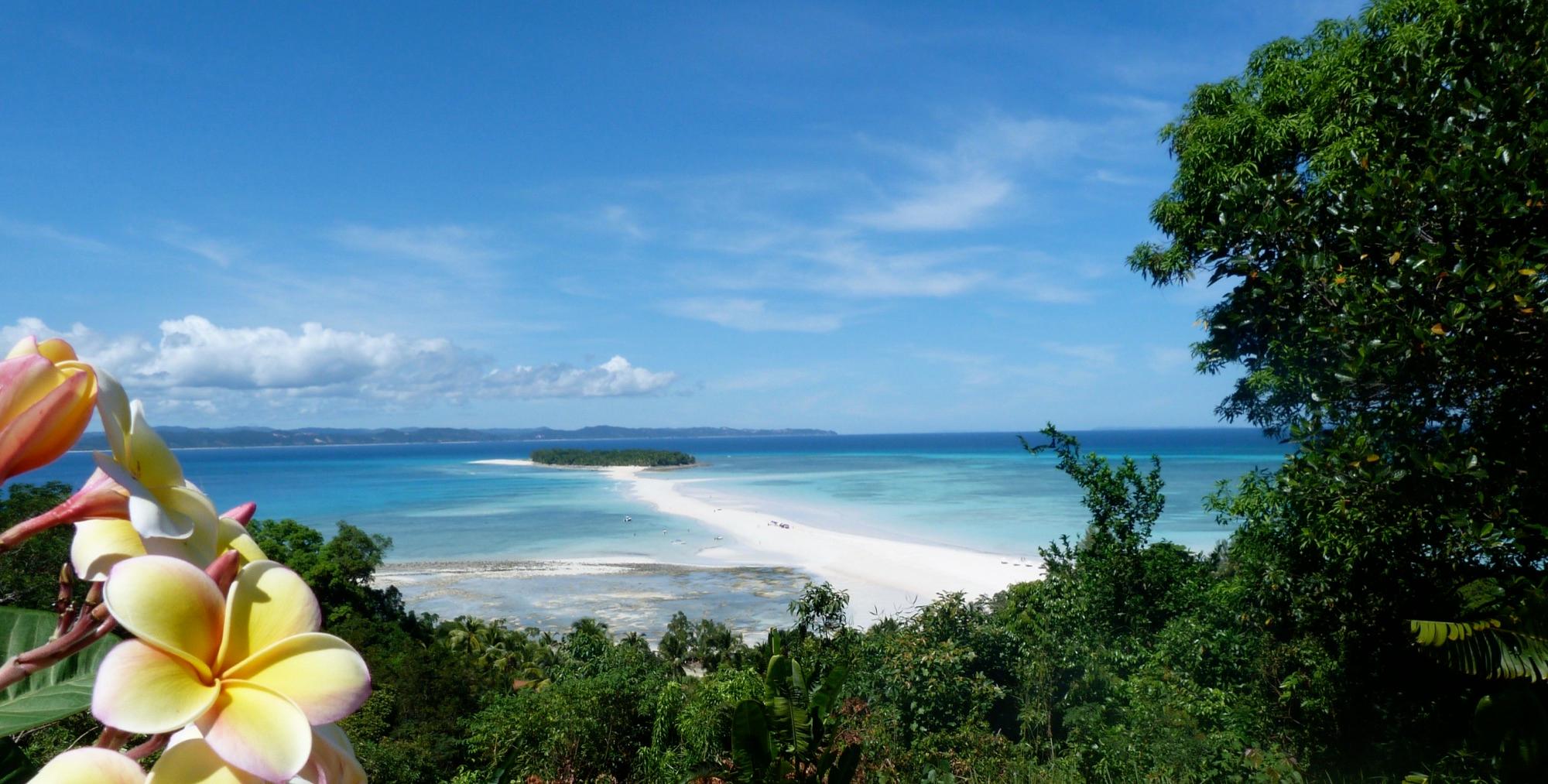
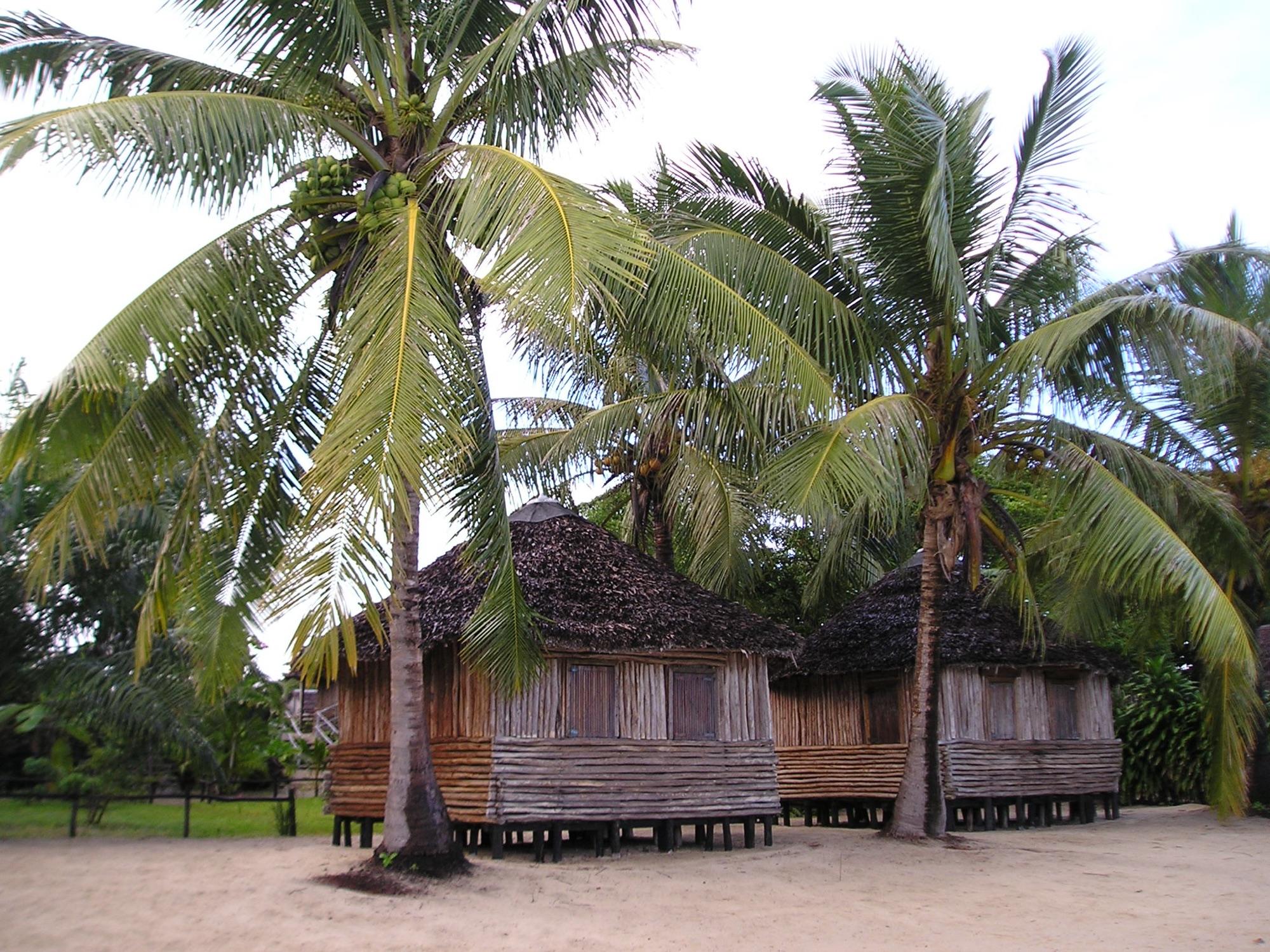
Nosy Be is the main beach island, off the north-west coast. Boat trips go to Nosy Komba for black lemurs, Nosy Tanikely for snorkelling and Nosy Iranja for its long sandbar. See the Nosy Be page.
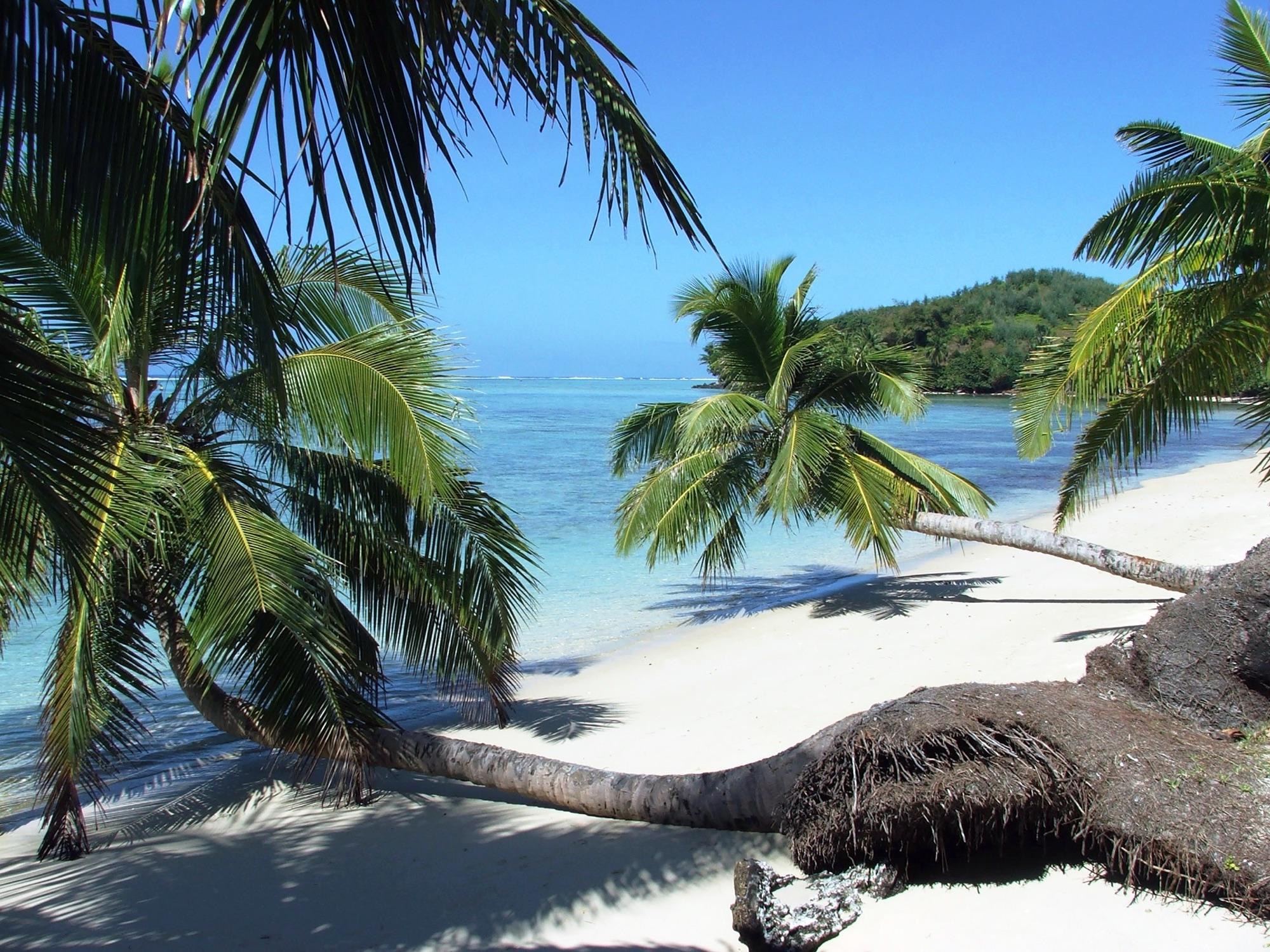
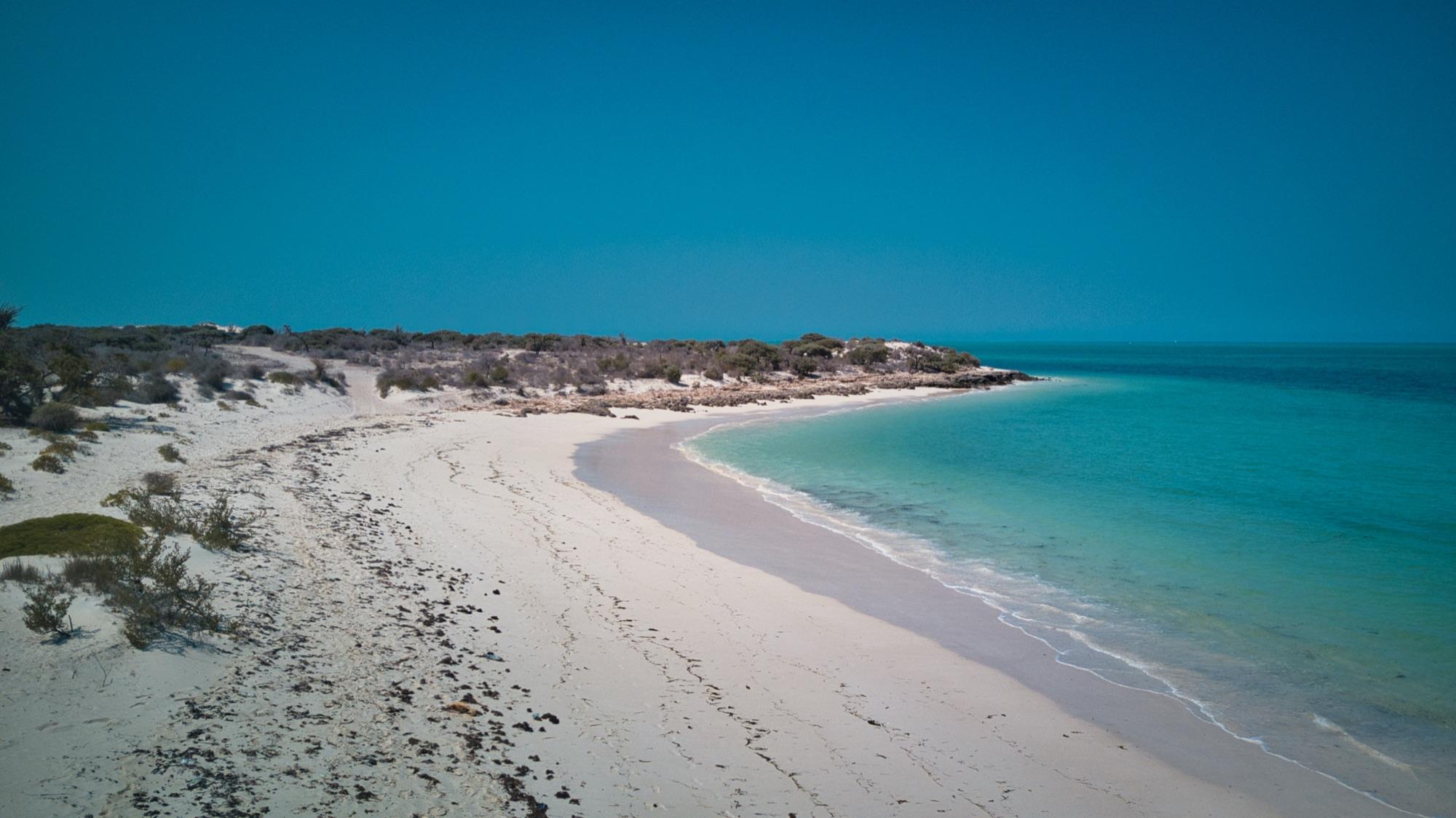
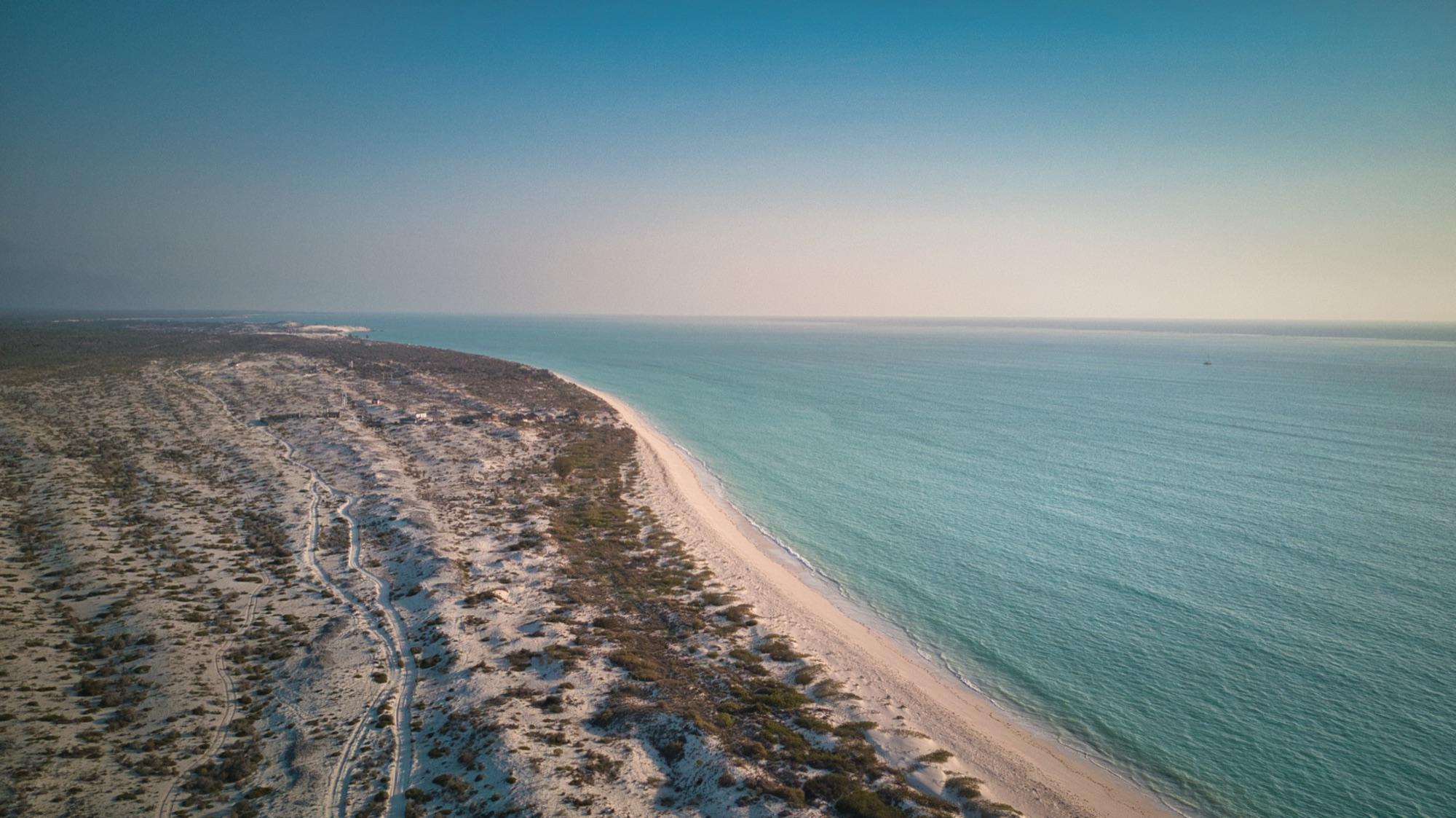
Île Sainte-Marie on the east coast is long, quiet and lined with palms. In the south-west, Ifaty has a reef, a spiny forest with baobabs and easy beach days. Anjajavy in the north-west is a remote reserve on the coast, usually reached by small plane.
Whale watching off Sainte-Marie
Humpback whales come to the channel off Sainte-Marie from July to September to calve and mate. Boat trips leave from the island, and sightings are common in the peak weeks. On some days you can see whales from the shore.
Read the whale season guide and the Sainte-Marie page to plan around it.
Highland culture
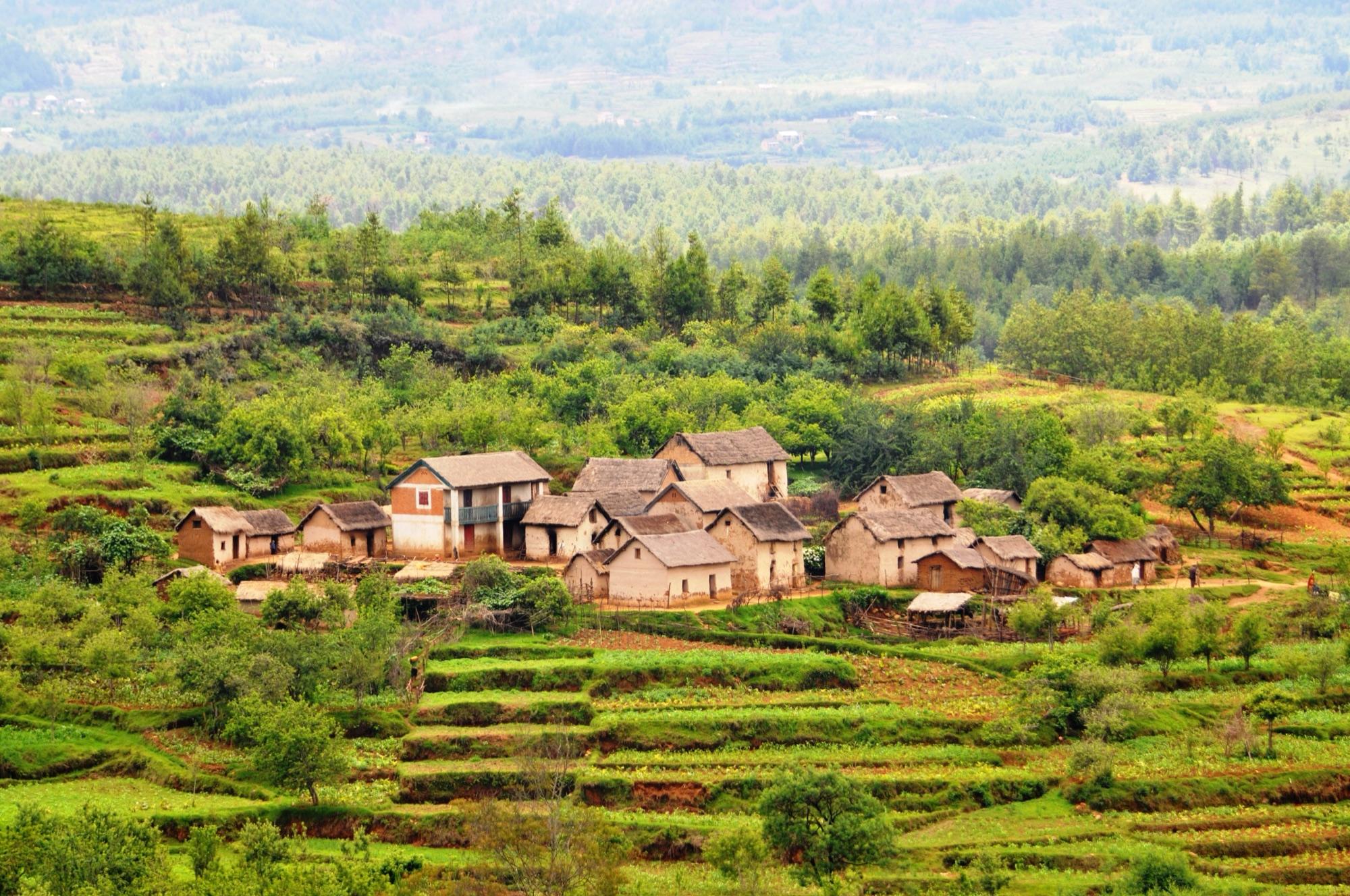
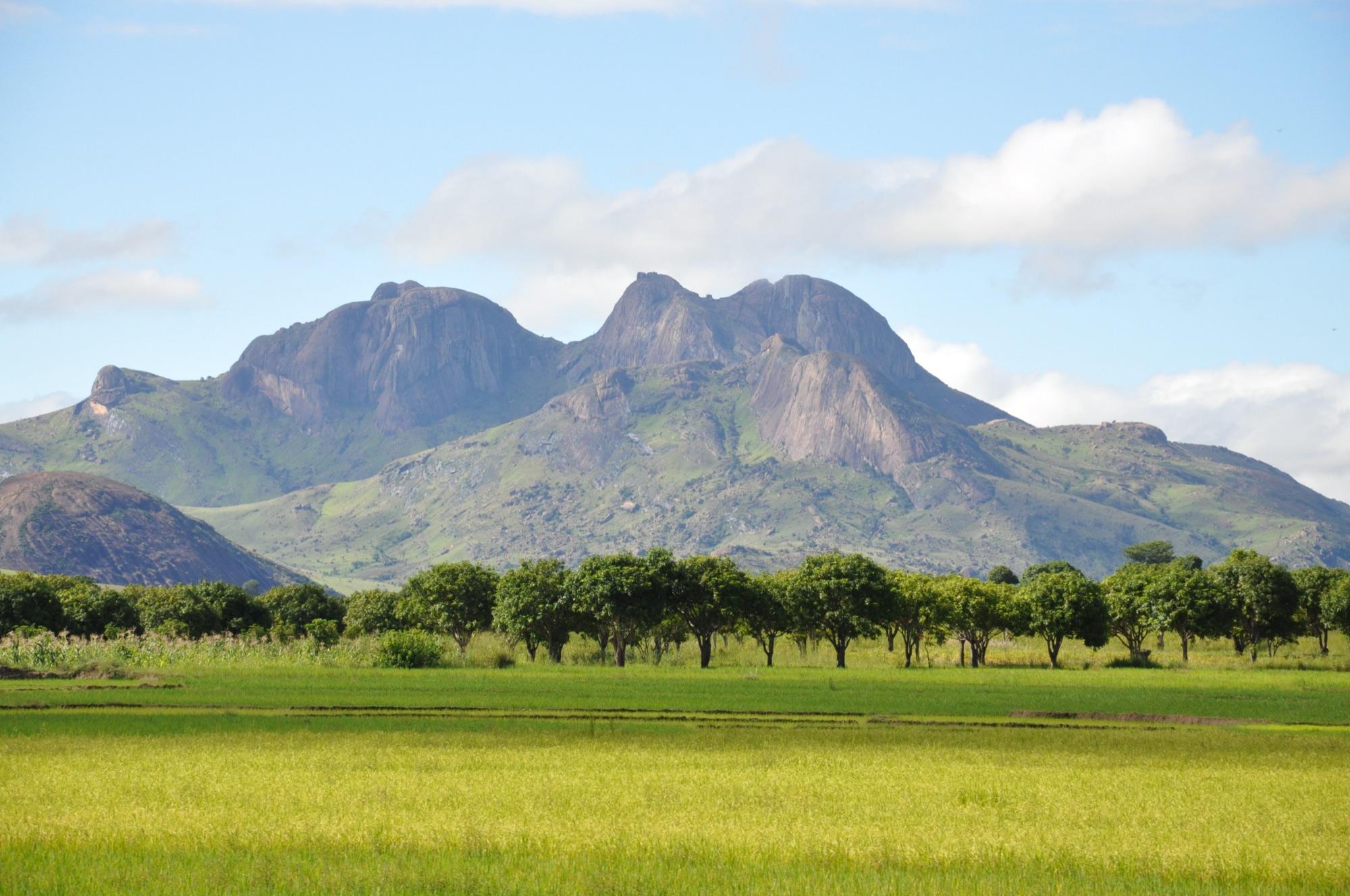
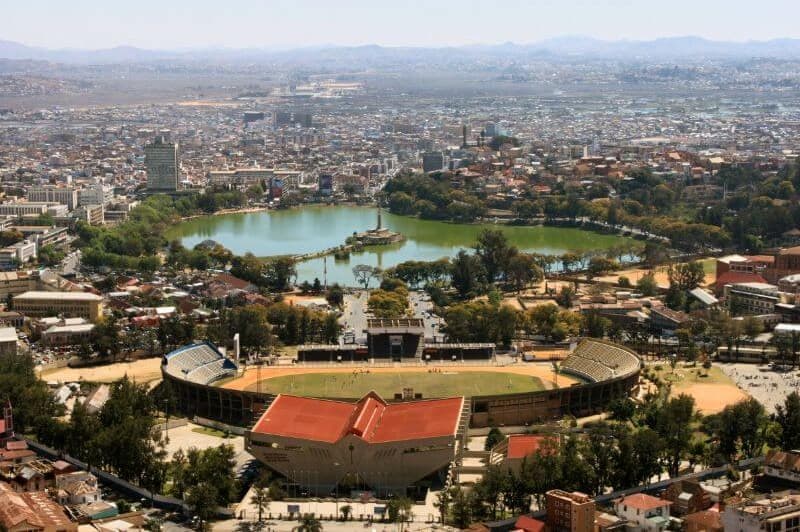
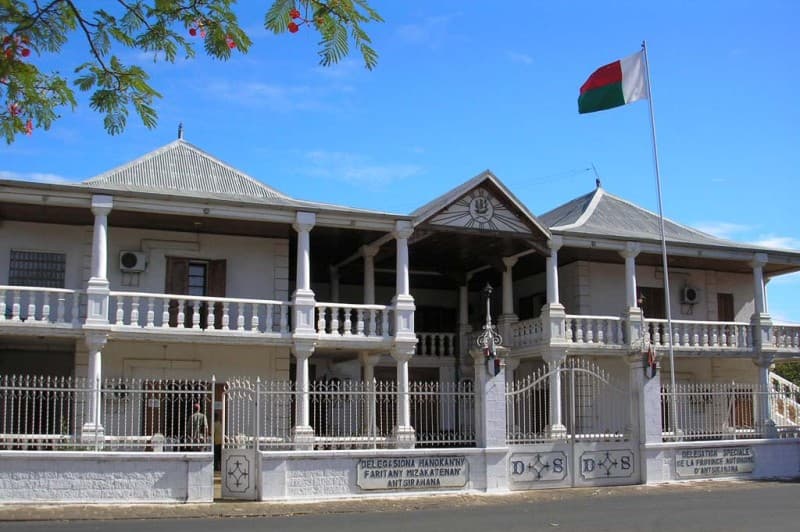
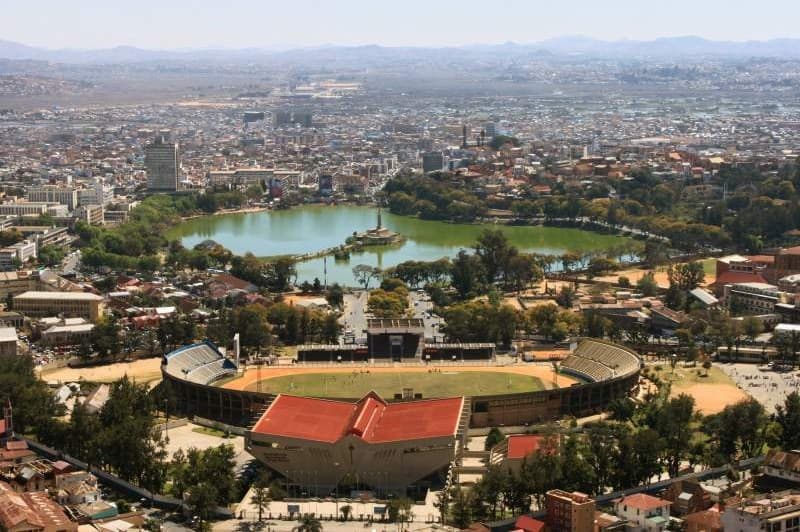
Most Malagasy people live in the highlands, and this is where you see daily life up close. Antananarivo, the capital, has a royal palace on its highest hill and busy markets. Just north of the city is Ambohimanga, a royal hill listed by UNESCO.
Further south, Antsirabe is known for its pousse-pousse rickshaws and small workshops. Ambositra is the home of woodcarving. Fianarantsoa has an old upper town and the station for the train to the east coast.
Between July and September, some highland families hold a famadihana, the turning of the bones. It is a family ceremony, and visitors only join by invitation.
The north: Ankarana, Amber Mountain and the Emerald Sea
The far north works as a trip of its own. From Diego Suarez, boats cross to the Emerald Sea, a shallow turquoise lagoon. Amber Mountain National Park is a cool, green rainforest with waterfalls and tiny leaf chameleons. Ankarana has grey tsingy, caves and crowned lemurs.
Give the north a week to ten days, or add a few nights on Nosy Be. See the Diego Suarez page for tours.
How to choose
For a first trip of two weeks, pick two or three regions. A good mix is one rainforest, one dry landscape and one beach. The best time to visit is April to November, when roads are drier and every park is open.
Tell us your dates and what you want to see. We'll send you a draft itinerary within 24 hours. Send us a request.
Questions travellers ask
What is Madagascar best known for?+
Lemurs, baobabs and wildlife found nowhere else. Most of its plants and animals live only on the island. It also has the Tsingy limestone needles and long, quiet beaches.
How many days do you need in Madagascar?+
Two weeks is a good first trip. That gives time for two or three regions, such as Andasibe, the RN7 and a beach. With 7 to 10 days, pick one region and see it well.
What is the best time to visit Madagascar?+
April to November is the dry season and the easiest time to travel. Whales pass Sainte-Marie from July to September. Our best time to visit guide covers each month.
Can you see lemurs on a short trip?+
Yes. Andasibe is three to four hours from Antananarivo, so even a one-week trip can include the indri. Lemurs' Park near the capital works for a half day.