Top things to do in Masoala
Masoala is the largest national park in Madagascar, covering most of the peninsula. It is part of the Rainforests of the Atsinanana, a UNESCO World Heritage site. Trails lead from the beach into tall, dripping forest within minutes.
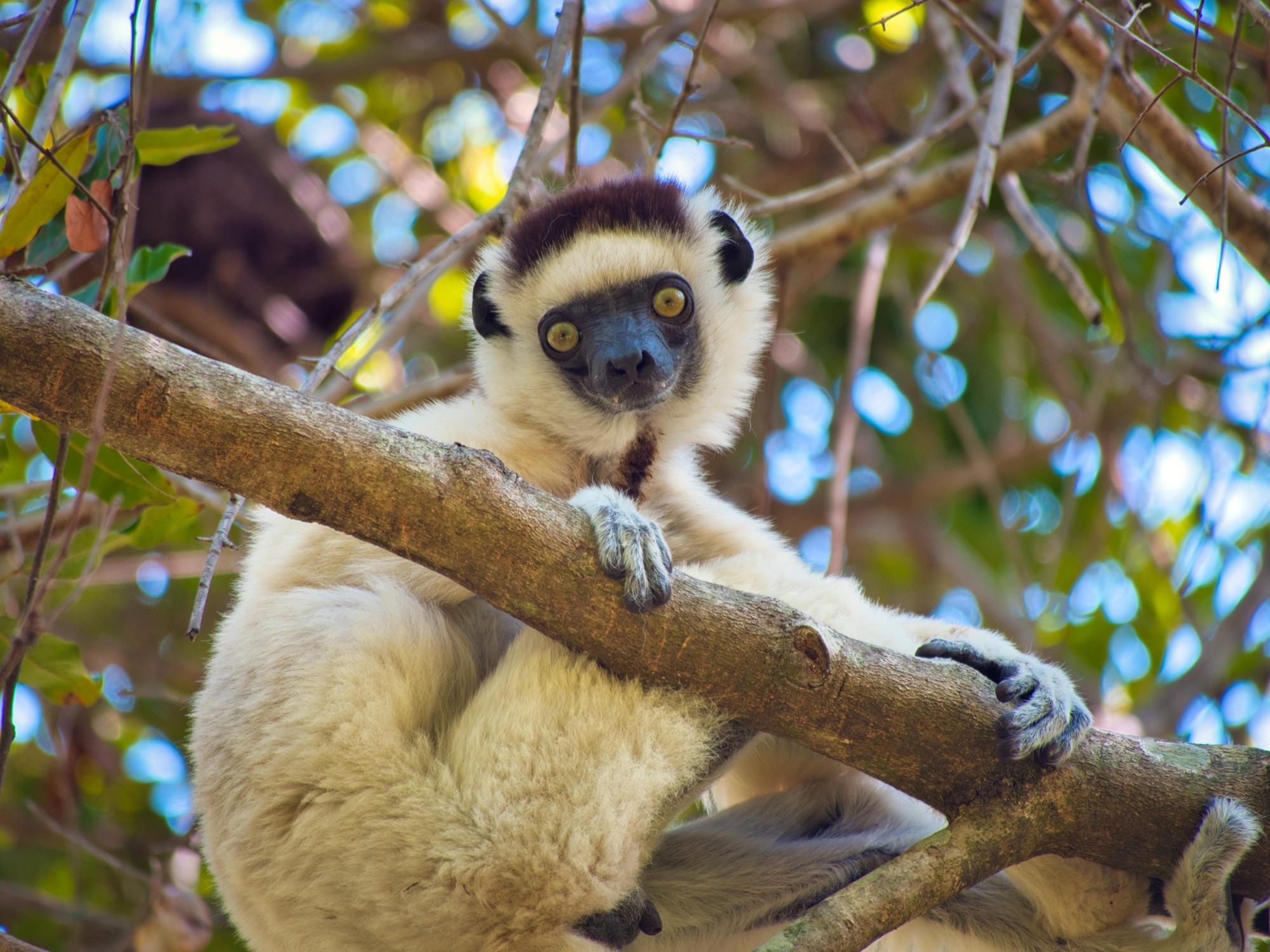
The star is the red ruffed lemur, which lives only on this peninsula. Listen for its loud, barking calls in the canopy. Your guide will also look for the helmet vanga, a bird with a huge blue bill, plus chameleons, frogs and leaf-tailed geckos.
Night walks show you a different forest. Small lemurs, sleeping chameleons and frogs come out after dark. Bring a good torch and shoes with grip.
Nosy Mangabe island
Nosy Mangabe is a small forested island in Antongil Bay, about 45 minutes by boat from Maroantsetra. Most trips stop here on the way to the peninsula.
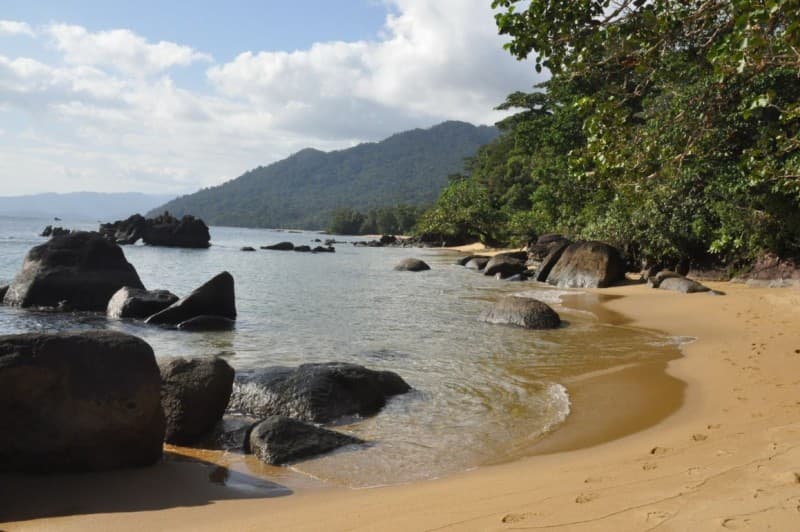
It is one of the best places to spot leaf-tailed geckos, which look exactly like bark. Aye-ayes were released here in the 1960s, but they are rarely seen. There is also a quiet beach for a picnic.
Reef, kayaks and whales
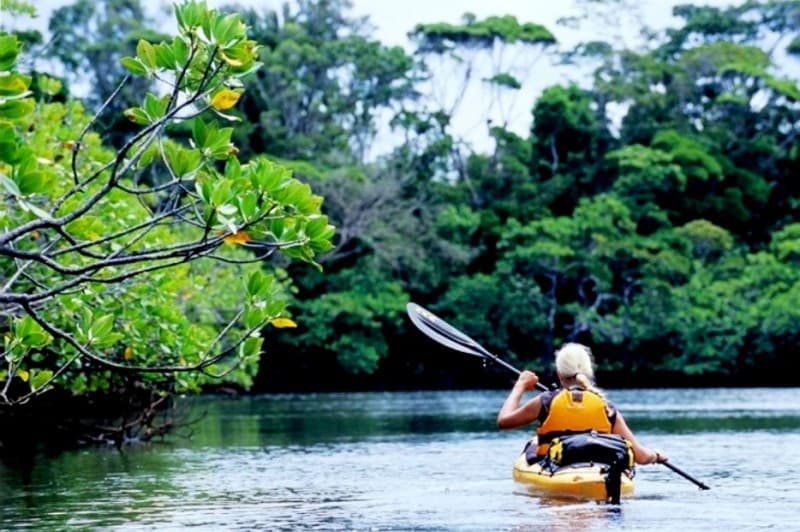
The park includes marine areas along the coast. Snorkel over coral close to shore, or paddle a kayak along the forest edge. The water is calmest in the morning.
From July to September, humpback whales come into Antongil Bay to breed. You may see them from the boat or even from the beach. Masoala then gives you whales and lemurs on the same day.
What to pack for Masoala
Pack for rain and humidity. A light rain jacket, quick-dry clothes and walking shoes with grip make the forest far more pleasant. Bring a dry bag for the boat, insect repellent and a head torch.
Lodges here are simple and close to nature, often with limited power. Charge cameras when you can, and bring spare batteries. Binoculars help with birds and lemurs high in the canopy.
How long to stay and the best time to go
Give Masoala at least four nights. Travel days take time, and rain can delay a boat. Five or six nights let you mix forest, reef and rest.
This is one of the wettest parts of Madagascar, and it can rain in any month. The drier spell is roughly September to December. Avoid January to March, when cyclones are most likely. For the full picture, see our best time to visit Madagascar guide and the whale season page.
Getting there and how it fits your trip
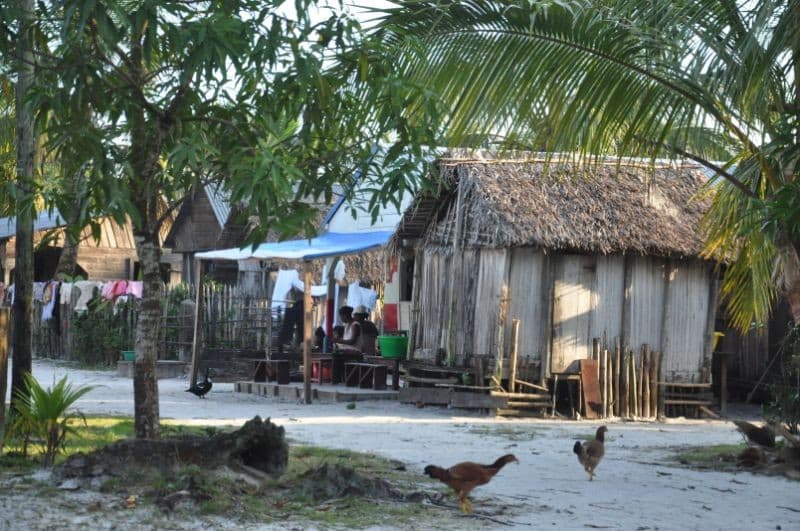
You fly from Antananarivo to Maroantsetra, then cross Antongil Bay by boat. Crossings run early in the day, when the sea is calmer. Maroantsetra itself is a small town known for vanilla, which you can see being prepared in season.
Masoala works well with a beach stay on Nosy Be or a second peninsula at Anjajavy. Read things to do in Anjajavy and things to do in Nosy Be to compare.
See our Masoala destination page for more. Tell us your dates through our contact page. We will send a draft itinerary within 24 hours.
Questions travellers ask
How do you get to Masoala National Park?+
Fly from Antananarivo to Maroantsetra, then take a boat across Antongil Bay. There is no road into the park.
When is the best time to visit Masoala?+
The drier months are roughly September to December. It rains often all year, and January to March is cyclone season.
Can you see whales at Masoala?+
Yes. Humpback whales visit Antongil Bay from July to September. You may spot them from the boat or the shore.
Can you see aye-ayes on Nosy Mangabe?+
Aye-ayes live there, but sightings are rare. Go for the leaf-tailed geckos and the forest, and count an aye-aye as a bonus.