Watch humpback whales from July to September
Humpback whales come to the channel between Sainte-Marie and the mainland every southern winter. They arrive from Antarctic waters to mate and give birth. The season runs from about July to September, and the peak is usually in August.
Whale trips leave by boat from the west coast of the island and last a few hours. You often see mothers with calves, tail slaps and full breaches. Licensed boats keep a set distance from the whales, so the animals stay calm.
Some lodges on the island's west coast look straight onto the channel. On a clear morning you can spot spouts from the beach with a coffee in hand. Read our whale season guide for the month-by-month picture.
Cross to Île aux Nattes
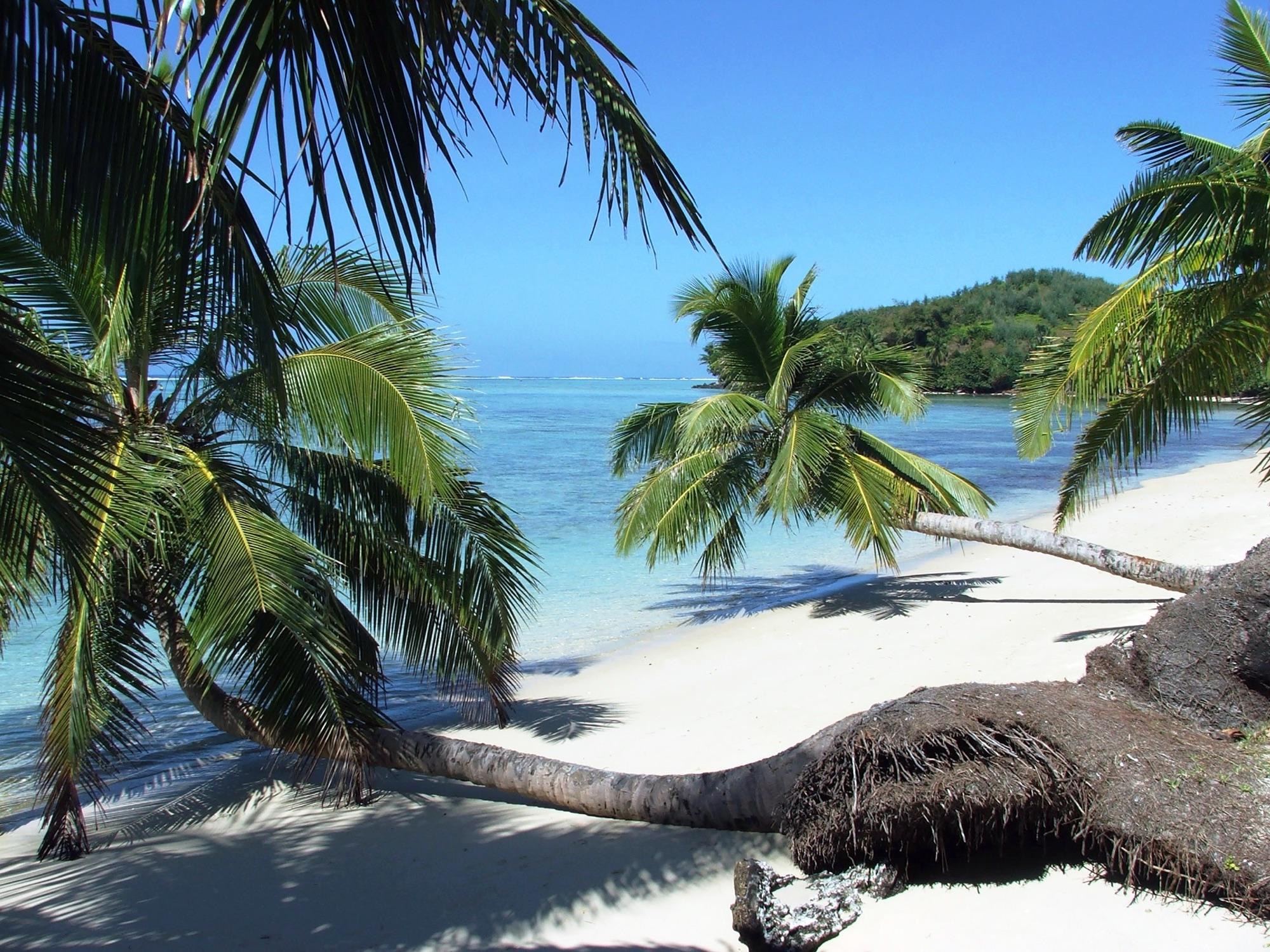
Île aux Nattes sits just off the southern tip of Sainte-Marie. A short pirogue ride takes you across. There are no cars, only sandy paths, palms and small guesthouses.
You can walk around the island in a few hours. Stop at the lighthouse for the view, swim from the white beaches, and eat grilled fish in a beach restaurant. Many travellers come for a day. Others stay a night or two because it is so quiet.
Visit the pirate cemetery and Ambodifotatra
In the 17th and 18th centuries, pirates used Sainte-Marie as a base. The pirate cemetery sits on a hill above the bay near Ambodifotatra, the island's main town. Old graves face the water, and some stones carry a skull and crossbones.
Ambodifotatra itself is worth an hour. Walk past the small market, the harbour and the old Catholic church, one of the oldest in Madagascar. A local guide can tell you the stories behind the graves.
Beaches, snorkelling and the natural pools
Sainte-Marie is about 60 km long and very narrow. Most of the coast is lined with palms, and the best swimming is on the west and south. A coral reef protects many beaches, so the water inside is calm.
Snorkelling is good off the reef when the sea is clear. In the far north, the natural rock pools near Ambodiatafana are a pretty spot. Ask locally before you swim there, because the pools are sacred to some families.
The easiest way to explore is by bike, scooter or tuk-tuk along the coast road. You pass fishing villages, clove trees and children walking to school. See our Sainte-Marie beach page for more.
How long to stay and when to go
Three nights is enough for one whale trip, Île aux Nattes and the pirate cemetery. Five nights lets you slow down, which is the point of the island. It works well as a beach finish after the rainforest.
The dry season from April to November is the best time overall. For whales, come in July, August or September. The east coast gets rain all year, but showers are often short. From January to March, cyclones can hit this coast, so we plan with care then.
How Sainte-Marie fits in a trip
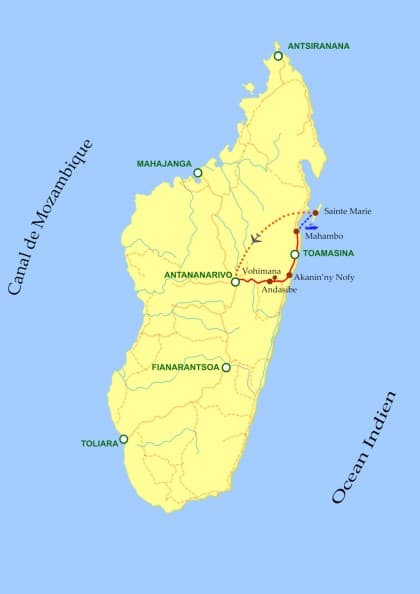
Most travellers reach Sainte-Marie by a short flight from Antananarivo. You can also come by road and boat from the mainland coast. Many trips combine the island with lemurs in Andasibe and a boat trip on the Pangalanes canal.
Read more on our Île Sainte-Marie destination page. When you know your dates, send us a request and we'll send you a draft itinerary within 24 hours.
Questions travellers ask
When can you see whales in Sainte-Marie?+
Humpback whales are off Sainte-Marie from about July to September. August is usually the busiest month for sightings. Boat trips run every day in season when the sea allows.
How many days do you need in Sainte-Marie?+
Plan three to five nights. Three nights covers a whale trip, Île aux Nattes and the pirate cemetery. Five nights adds proper beach time.
How do you get to Île Sainte-Marie?+
The quickest way is a domestic flight from Antananarivo. The other way is a long drive to the east coast and a boat crossing. We book the route that suits your trip.
Is Sainte-Marie worth visiting outside whale season?+
Yes. The beaches, Île aux Nattes and the relaxed pace are there all year. September to December is often a good, drier stretch on this coast.